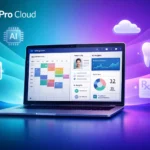
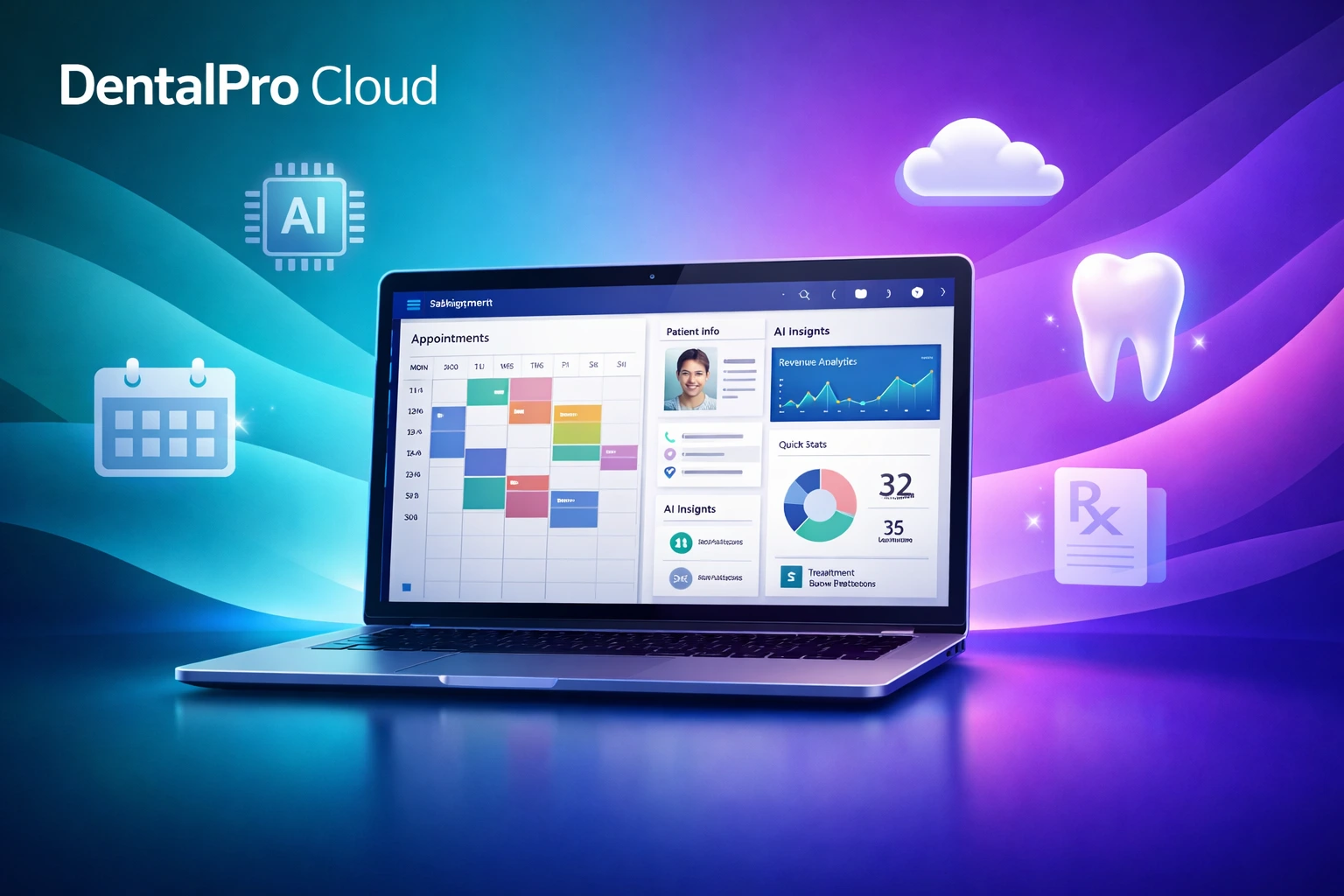
The dental industry continues evolving with technology, and practice management software has become essential for modern clinics. DentalPro Cloud emerges as a comprehensive solution addressing the unique challenges dental professionals face daily.
Understanding Modern Dental Practice Needs
Today’s dental practices require more than basic scheduling tools. DentalPro Cloud delivers an integrated ecosystem combining patient management, clinical documentation, and communication tools. The platform recognizes that efficiency directly impacts both patient satisfaction and practice profitability.
Traditional software often creates silos, forcing staff to toggle between multiple systems. This fragmentation leads to data entry errors, communication gaps, and frustrated team members. Modern dental practices demand unified solutions that streamline workflows rather than complicate them.
Core Advantages of Cloud-Based Management
The benefits of DentalPro Cloud extend beyond basic digitization. Cloud infrastructure means your practice data remains accessible from any device with internet connectivity. This flexibility proves invaluable for multi-location practices or dentists who review cases outside office hours.
Security concerns often arise with cloud solutions, but reputable platforms implement bank-level encryption and comply with healthcare data protection regulations. Automatic backups eliminate the risk of catastrophic data loss that plagues locally-hosted systems.
Cloud deployment also removes the burden of hardware maintenance and software updates. Your team always accesses the latest features without disruptive installation procedures or system downtime.
Comprehensive Service Portfolio
Exploring the services offered by DentalPro Cloud reveals a thoughtfully designed suite addressing every aspect of practice operations. From initial patient contact through treatment completion and follow-up, the platform maintains continuity.
Patient registration, insurance verification, treatment planning, and billing integrate seamlessly. Clinical staff can access complete patient histories instantly, reducing time spent searching for information. This integration significantly improves the quality of patient interactions during appointments.
The platform also supports administrative tasks like inventory management, staff scheduling, and financial reporting. Practice owners gain visibility into key performance metrics, enabling data-driven decisions about practice growth and resource allocation.
Simplified Appointment Scheduling
Appointment management represents one of the most time-consuming administrative tasks in dental practices. The smart booking system transforms this challenge through intelligent automation and patient self-service options.
Patients can view available time slots and book appointments online without phone calls during business hours. The system automatically sends confirmation and reminder messages, dramatically reducing no-show rates. Calendar optimization suggests ideal scheduling based on procedure types and practitioner availability.
Integration with WhatsApp communication features means patients receive appointment reminders through their preferred messaging platform. This approach proves more effective than traditional SMS or email notifications, particularly for younger patient demographics.
The booking system also handles complex scenarios like recurring appointments, family scheduling, and emergency slot allocation. Staff can override automated suggestions when situations require personal judgment, maintaining the human touch in patient relationships.
Clinical Documentation Revolution
Electronic medical records should enhance rather than hinder clinical workflows. The dental EMR component focuses on usability while maintaining comprehensive documentation standards.
Charting tools use intuitive graphical interfaces that mirror traditional paper charts, minimizing the learning curve for experienced dentists. Voice-to-text capabilities allow hands-free documentation during examinations, keeping attention focused on patients rather than keyboards.
Template libraries standardize common procedures while allowing customization for individual cases. This standardization improves documentation consistency across providers, which proves essential for multi-dentist practices and regulatory compliance.
Integration between clinical documentation and billing systems ensures accurate coding and reduces claim denials. Procedure notes automatically populate billing codes, eliminating redundant data entry and associated errors.
Artificial Intelligence in Documentation
The AI documentation feature represents a significant technological advancement in dental practice management. Machine learning algorithms analyze clinical notes and suggest relevant diagnostic codes, treatment options, and patient education materials.
Natural language processing understands clinical terminology, converting conversational dictation into structured medical records. This capability dramatically reduces documentation time while improving record completeness and quality.
AI-powered analytics identify patterns in patient data that might escape human notice. Early detection of treatment trends, medication interactions, or appointment patterns helps practices deliver proactive care and optimize scheduling efficiency.
The system learns from practice-specific data, becoming more accurate and relevant over time. This adaptive intelligence means the software continually improves its suggestions based on your practice patterns and preferences.
Modern Prescription Management
Digital prescriptions eliminate handwriting interpretation issues and streamline pharmacy communication. Electronic prescribing reduces medication errors, one of the most significant safety concerns in healthcare.
Integration with prescription monitoring programs helps identify potential drug interactions and abuse patterns. Automated formulary checks ensure prescribed medications align with insurance coverage, preventing patient frustration at the pharmacy.
The system maintains a complete medication history for each patient, accessible during every appointment. This visibility proves crucial when patients see multiple providers or take medications prescribed by physicians outside your practice.
Digital prescription workflows also improve efficiency by eliminating phone calls to pharmacies and reducing staff time spent managing prescription renewals. Patients appreciate the convenience of having prescriptions ready when they arrive at the pharmacy.
Experience the Platform Firsthand
Understanding software capabilities requires hands-on exploration. The demo booking option provides an opportunity to interact with the platform before making implementation decisions.
Personalized demonstrations address your practice’s specific needs and workflows. Representatives can showcase features most relevant to your operational challenges, whether that’s insurance processing, multi-location management, or specialty-specific tools.
Demo sessions also provide opportunities to assess the interface intuitiveness and mobile accessibility. These factors significantly impact user adoption rates when you implement new software across your team.
Embracing Modern Practice Standards
Implementing modern dental practice technology positions your clinic as progressive and patient-focused. Today’s patients expect digital convenience in healthcare, just as they experience in other service industries.
Online appointment booking, digital payment options, and automated reminders align with contemporary consumer expectations. Practices that embrace these standards attract and retain patients, particularly younger demographics who prioritize convenience.
Modern technology also enhances staff satisfaction by eliminating tedious manual processes. Team members can focus on meaningful patient interactions rather than administrative tasks, improving job satisfaction and reducing turnover.
Implementation Considerations
Transitioning to new practice management software requires planning and commitment. Successful implementations involve thorough staff training, data migration verification, and phased rollout strategies that minimize disruption.
Cloud-based solutions typically offer faster implementation than traditional server-based systems. However, practices should still allocate several weeks for training and adjustment periods. Most teams achieve proficiency within a month of consistent use.
Vendor support quality becomes crucial during implementation and ongoing operations. Responsive technical support, comprehensive training resources, and user communities contribute to successful long-term software adoption.
Return on Investment Analysis
Practice management software represents a significant investment that should deliver measurable returns. Consider factors like staff time savings, reduced no-show rates, faster insurance processing, and improved patient retention when evaluating ROI.
Many practices report recovering software costs within the first year through operational efficiencies alone. Additional benefits like enhanced patient satisfaction and improved clinical outcomes provide long-term value that’s harder to quantify but equally important.
Conclusion
DentalPro Cloud addresses the comprehensive needs of modern dental practices through integrated, cloud-based tools. From intelligent scheduling to AI-powered documentation, the platform streamlines operations while enhancing patient care quality.
Practices seeking to modernize operations, improve efficiency, and meet contemporary patient expectations should evaluate how comprehensive practice management solutions align with their strategic objectives. The dental industry’s digital transformation continues accelerating, and practices that embrace appropriate technologies position themselves for sustainable success.