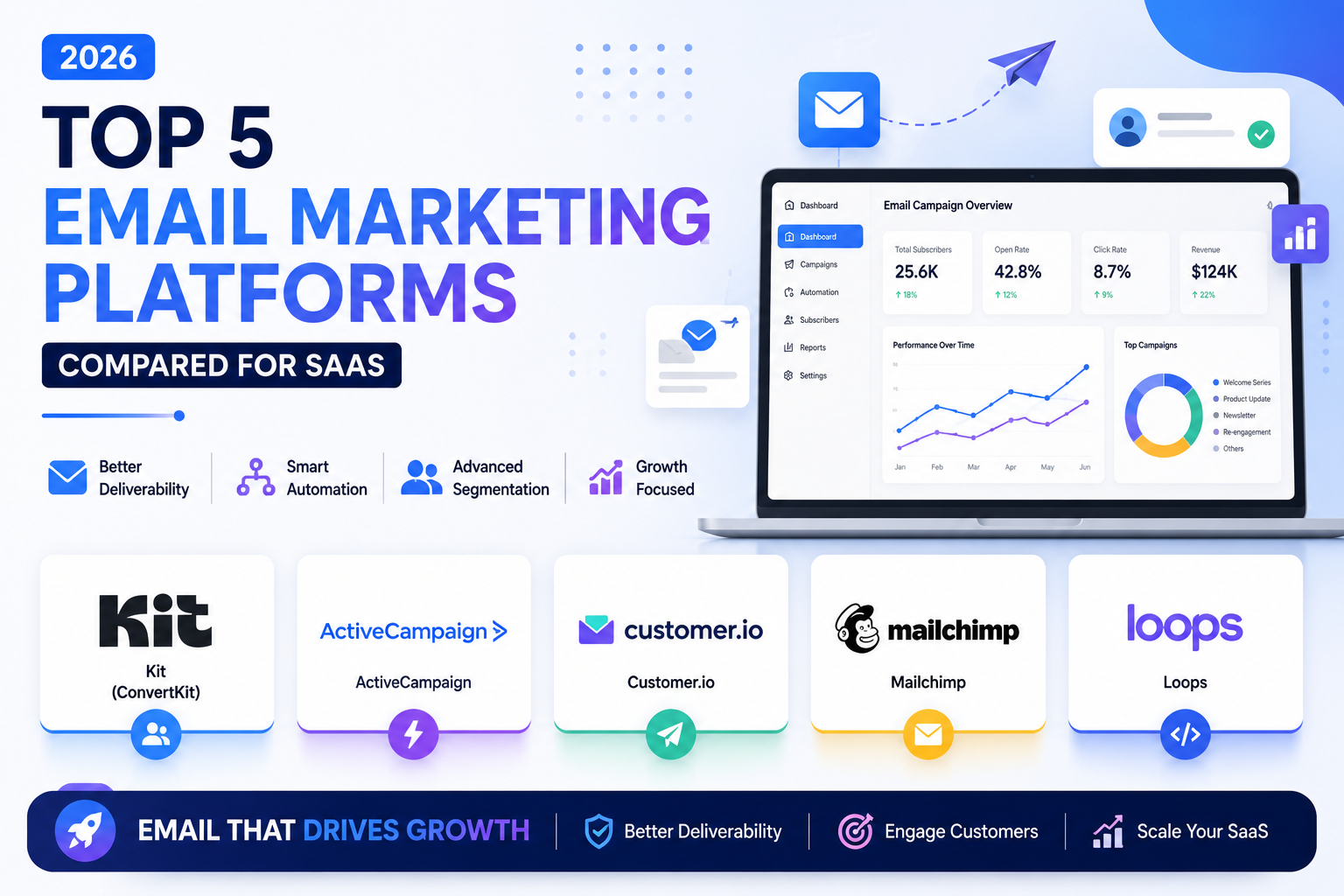
Top 5 Email Marketing Platforms Compared for SaaS in 2026

by | Jul 9, 2026 | Reviews | 0 comments

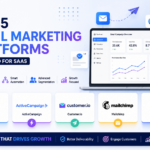
Email remains one of the highest-return marketing channels a SaaS company has, but only if the platform behind it handles deliverability, automation, and segmentation properly at scale. Picking the wrong tool early on tends to cause real pain later, migrating a large subscriber list and rebuilding automation flows from scratch is a genuinely painful project most growing teams try to avoid at all costs. The right platform should grow alongside your company rather than becoming something you outgrow within a year of signing up. Here are five email marketing platforms worth considering for SaaS businesses in 2026, each with a slightly different strength depending on where your company is in its growth.

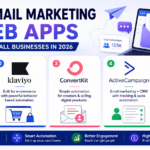
ConvertKit (Kit)

Kit has built a strong reputation among creators and smaller SaaS teams for its clean automation builder and straightforward tag-based segmentation, which tends to be easier to reason about than more complex list-based systems. Its landing page and form builder also make it useful beyond just email alone.

ActiveCampaign

ActiveCampaign offers some of the deepest automation logic in this category, letting SaaS teams build genuinely sophisticated lifecycle campaigns based on in-app behavior once properly integrated. The learning curve is steeper than simpler tools, but the payoff in targeting precision is real for teams that invest the setup time.

Customer.io

Customer.io was built specifically with product-led SaaS companies in mind, making it straightforward to trigger emails directly off product usage events rather than just list membership. It’s a strong pick once your onboarding and retention emails need to respond to actual in-app behavior.

Mailchimp

Mailchimp remains a reasonable starting point for very early-stage SaaS teams thanks to its familiar interface and generous free tier, though its automation depth and per-contact pricing tend to become limiting once a company scales past a few thousand subscribers.

Loops

Loops is a newer entrant built specifically for SaaS and developer-facing products, focusing on transactional and lifecycle emails with a simpler setup than legacy platforms. It’s worth watching for teams that want a modern, SaaS-native alternative without the bloat of older all-purpose tools.

Deliverability Matters More Than Feature Lists

It’s easy to get pulled into comparing automation builders and template libraries, but none of that matters if your emails land in spam instead of the inbox. Before committing to any platform, check its shared IP reputation policies, whether dedicated IPs are available at your plan tier, and how proactively the platform handles list hygiene and bounce management on your behalf. SaaS companies in particular need to pay close attention to this, since transactional emails, password resets, billing receipts, failing to deliver can directly damage customer trust in a way that a missed marketing email never would.

The right platform depends heavily on how behavior-driven your email strategy needs to be, a simple newsletter has very different requirements than a full product-led onboarding sequence triggered by in-app events. Smaller teams just getting started are usually fine with Kit or Mailchimp, while companies building serious lifecycle marketing around product usage should look closely at Customer.io or ActiveCampaign before locking in a long-term choice. Whatever you pick, request a trial with your actual subscriber list and automation logic rather than judging based on the demo data alone, real-world testing tends to surface deliverability and workflow issues that a sales demo simply won’t show you. It’s also worth revisiting your choice annually as your subscriber count and feature needs grow, since the right platform at 500 subscribers is rarely still the right one at 50,000.
Article Summary by AI

Top 5 Email Marketing Platforms for SaaS in 2026: Find the right tool for your growing business. ConvertKit offers clean automation, while ActiveCampaign provides deep automation logic. Choose wisely to avoid painful migration later.

YOU MAY ALSO LIKE THESE

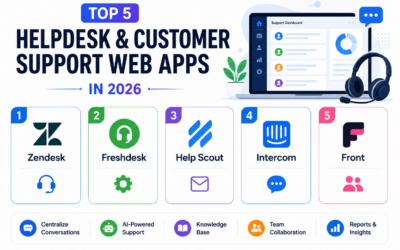
Top 5 Helpdesk and Customer Support Web Apps in 2026

Top 5 Helpdesk and Customer Support Web Apps in 2026

A shared email inbox works fine for customer support right up until multiple team members start replying to the same message, or a customer's history gets lost across a dozen scattered email threads with no clear record of what was already promised. Helpdesk and...

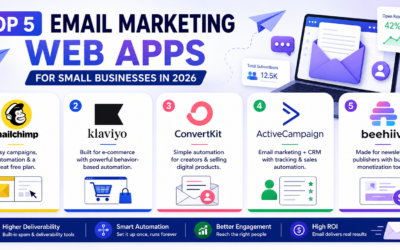
Top 5 Email Marketing Web Apps for Small Businesses in 2026

Top 5 Email Marketing Web Apps for Small Businesses in 2026

Despite years of predictions that email marketing would fade in favor of social media, it consistently remains one of the highest-return marketing channels available to small businesses, largely because it reaches people in a space they actually check regularly rather...

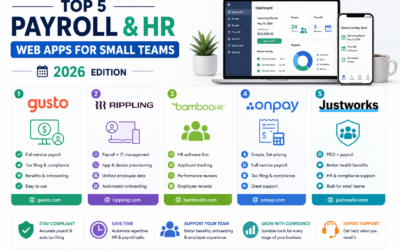
Top 5 Payroll and HR Web Apps for Small Teams in 2026

Top 5 Payroll and HR Web Apps for Small Teams in 2026

Payroll is one of those business tasks where a small mistake carries an outsized cost, whether that's a missed tax filing deadline or an employee paid incorrectly two pay periods in a row. Manually tracking hours, deductions, and benefits in a spreadsheet works right...

Top 5 Customer Support Helpdesk Web Apps Compared in 2026

Top 5 Customer Support Helpdesk Web Apps Compared in 2026

Once a business grows past a handful of customers, a shared inbox stops being enough to manage support requests, tickets get missed, response times slip, and nobody has a clear view of what's actually outstanding across the whole team. A proper helpdesk web app fixes...

Best Scheduling and Booking Web Apps for Businesses in 2026

Best Scheduling and Booking Web Apps for Businesses in 2026

The back-and-forth of finding a mutually available meeting time still eats up more time than it should for a huge number of businesses, especially client-facing ones juggling appointments across multiple staff members or service types. A good scheduling web app...

Top 5 No-Code Website Builders in 2026

Top 5 No-Code Website Builders in 2026

No-code website builders have closed the gap with custom-coded sites so significantly that most small businesses and freelancers genuinely no longer need a developer just to launch a professional-looking website. The real differences between the top platforms now come...

Best Invoicing and Billing Web Apps for Freelancers in 2026

Best Invoicing and Billing Web Apps for Freelancers in 2026

Chasing late payments is one of the most draining parts of freelancing, and a surprising amount of that friction comes down to sending invoices that look unprofessional, lack clear payment terms, or make it genuinely inconvenient for a client to actually pay. The...

Best Email Marketing Web Apps in 2026 Reviewed

Best Email Marketing Web Apps in 2026 Reviewed

Email marketing consistently delivers the highest return on investment of any digital marketing channel in 2026, with industry analyses regularly showing returns of thirty to forty dollars for every dollar invested in well-executed campaigns. The platform you use to...

Best CRM Web Apps for Small Business in 2026

Best CRM Web Apps for Small Business in 2026

A CRM - Customer Relationship Management tool - is the single highest-leverage software investment most small businesses make in 2026. Without one, client information lives across email threads, spreadsheets, sticky notes, and individual team members' memories,...

How to Make Money with Web Apps in 2026

How to Make Money with Web Apps in 2026

Building a web app is only half the equation. Choosing the right monetisation model in 2026 determines whether it becomes a profitable business or a passion project that costs you money to maintain. Many technically excellent products fail not because of what they...

Top 5 Web App Dev Tools for Startups 2026

Top 5 Web App Dev Tools for Startups 2026

Speed matters most for startups. The right development tools in 2026 can take a web app from idea to production in days rather than months. The wrong tools create technical debt, deployment friction, and team onboarding costs that slow you down at exactly the moment...