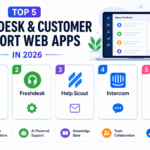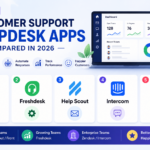
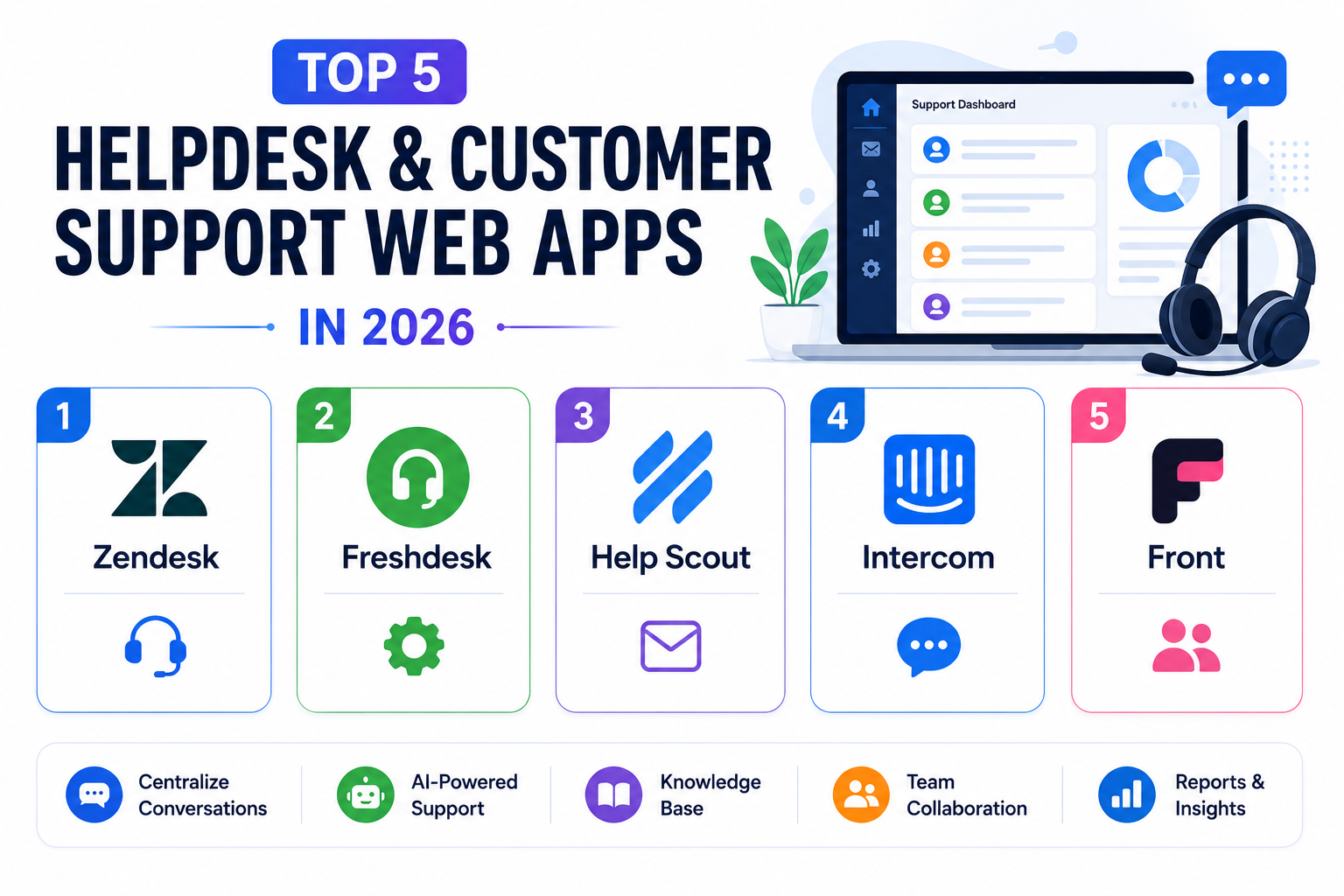
A shared email inbox works fine for customer support right up until multiple team members start replying to the same message, or a customer’s history gets lost across a dozen scattered email threads with no clear record of what was already promised. Helpdesk and customer support web apps solve this specific chaos by centralizing every conversation with full history in one place, letting any team member pick up a ticket with full context rather than asking a customer to repeat themselves. In 2026, the strongest platforms in this category have also leaned into AI-assisted reply suggestions, drafting a solid first response based on the ticket’s content that a support agent can then personalize rather than starting from a blank reply box each time. Here are five helpdesk web apps worth using this year. Most also offer a shared knowledge base feature alongside ticketing, letting customers self-serve answers to common questions before a ticket even needs to be created in the first place.
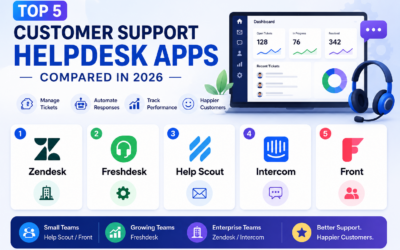
Zendesk

Zendesk remains the enterprise-grade standard for customer support, offering deep ticket routing rules, extensive third-party integrations, and detailed reporting suited to larger support teams handling high ticket volume across multiple channels.
Freshdesk

Freshdesk offers a genuinely capable free tier alongside strong automation features, making it a comfortable starting point for smaller support teams not yet ready to commit to Zendesk’s more enterprise-focused pricing structure.
Help Scout

Help Scout keeps its interface deliberately simple and email-like, favoring a genuinely personal tone in support interactions over the more ticket-number-driven feel of larger platforms, appealing to smaller teams and startups.
Intercom
Intercom combines live chat, a knowledge base, and AI-powered chatbot deflection in one platform, letting common questions get resolved automatically before they ever reach a human agent’s queue at all.
Front
Front reimagines the shared inbox concept with modern collaboration features like internal comments and assignment rules layered directly onto an email-like interface, appealing to teams who find traditional ticketing systems too rigid.
Team size and ticket volume should drive the choice more than feature lists alone, since a small startup adopting Zendesk’s enterprise-grade complexity often ends up overwhelmed by configuration options a five-person team simply doesn’t need yet. Growing e-commerce or SaaS businesses fielding a genuinely high volume of repetitive questions benefit significantly from Intercom’s chatbot deflection, since automatically resolving common questions frees human agents for the more complex issues that actually need judgment. Teams that value a warmer, more personal tone in every interaction tend to prefer Help Scout or Front’s email-like feel over Zendesk’s more ticket-number-driven enterprise interface. Freshdesk remains the best starting point for teams wanting solid automation without committing to enterprise pricing before they’ve genuinely outgrown a simpler system. It’s also worth trialing any shortlisted platform with an actual support agent handling real tickets for a week, since usability differences that matter daily rarely show up in a quick demo walkthrough.
The best helpdesk platform is ultimately the one that makes a customer feel heard rather than processed through an anonymous ticket queue, which matters more long-term than any specific automation feature. Match the tool to your team’s size and support volume, and revisit the choice again once genuine growth actually demands more structure than your current system provides. Outgrowing a helpdesk tool is a genuinely good problem to have, since it usually means the support team and customer base have both grown considerably.