Despite years of predictions that email marketing would fade in favor of social media, it consistently remains one of the highest-return marketing channels available to small businesses, largely because it reaches people in a space they actually check regularly rather than competing against an algorithm’s mood that day. The challenge has never really been whether to use email, it’s building genuinely good automated sequences and clean, well-designed campaigns without a dedicated marketing team to run them manually. Email marketing web apps have gotten considerably better at handling that automation, letting a small business set up a welcome sequence or abandoned cart reminder once and let it run indefinitely afterward. Here are five email marketing web apps worth using this year. Most also include built-in deliverability tools that check spam scores before sending, catching problems that would otherwise quietly tank open rates without any obvious warning sign.
Mailchimp
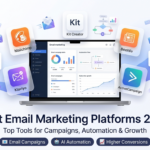
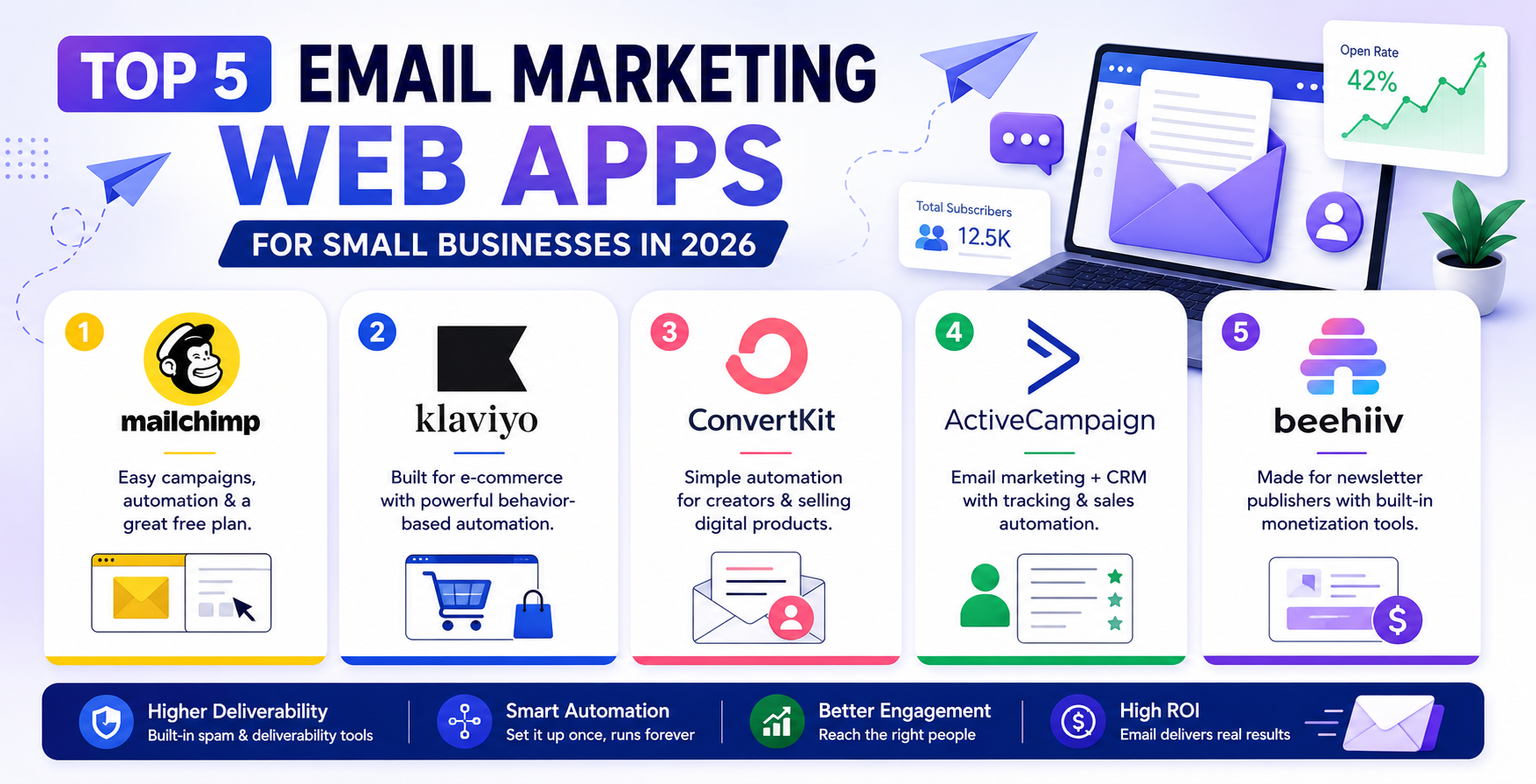
Mailchimp remains the most recognizable name in the category, offering a genuinely capable free tier alongside drag-and-drop campaign building and solid basic automation, making it a comfortable starting point for businesses new to email marketing.
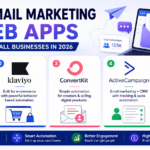
Klaviyo
Klaviyo has become the preferred choice specifically for e-commerce businesses, with deep integration into platforms like Shopify that lets automated flows trigger based on actual purchase behavior rather than generic engagement signals alone.
ConvertKit
ConvertKit focuses specifically on creators and solo entrepreneurs, with a genuinely simple visual automation builder and strong support for selling digital products directly through email sequences without needing a separate storefront tool.
ActiveCampaign
ActiveCampaign pairs email marketing with genuine CRM-style contact scoring and behavior tracking, appealing to small businesses that want their email platform to double as a lightweight sales pipeline tool rather than a separate system entirely.
Beehiiv
Beehiiv was built specifically for newsletter publishers, with built-in monetization tools like paid subscriptions and a referral program that helps a growing newsletter turn into an actual revenue stream rather than just a marketing tool.
The right platform depends heavily on the specific business model being run rather than general feature comparisons alone. E-commerce businesses get outsized value from Klaviyo’s purchase-behavior-triggered automation, since abandoned cart and post-purchase sequences directly drive revenue in a way generic email blasts don’t. Solo creators and course sellers tend to prefer ConvertKit’s simpler automation builder and native digital product support over a heavier, more sales-oriented tool like ActiveCampaign. Newsletter-first businesses building a direct reader relationship and monetization strategy are increasingly better served by Beehiiv’s purpose-built tools than by repurposing a general marketing platform never designed around that specific model. Mailchimp remains the safest general starting point for businesses still figuring out which model fits, given its free tier and broad feature coverage across use cases. It’s worth checking each platform’s contact list pricing tiers carefully too, since costs typically scale with subscriber count rather than staying flat as a list grows.
Email marketing continues to outperform flashier channels precisely because it reaches an audience that already opted in rather than fighting for algorithmic attention. Match the platform to your actual business model, e-commerce, digital products, or newsletter, rather than picking based purely on brand recognition, and a well-built automated sequence will keep working long after it’s set up. That initial setup effort is genuinely worth it, since a good welcome sequence quietly converts new subscribers for months without anyone touching it again.