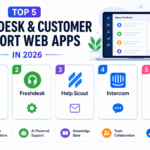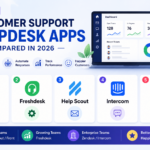
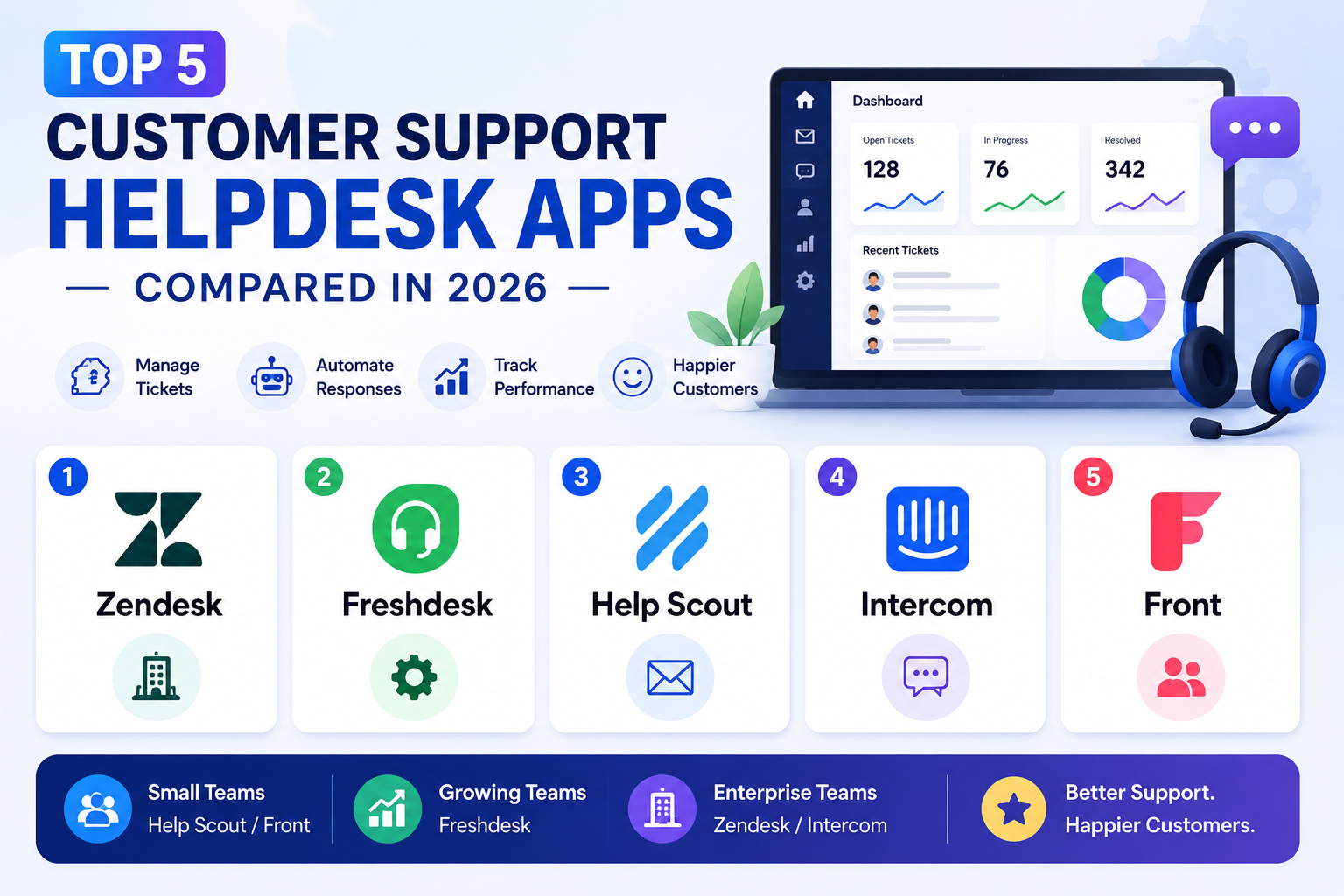
Once a business grows past a handful of customers, a shared inbox stops being enough to manage support requests, tickets get missed, response times slip, and nobody has a clear view of what’s actually outstanding across the whole team. A proper helpdesk web app fixes that by turning every request into a trackable ticket with clear ownership, status, and history, while typically adding automation and self-service options that reduce the raw volume of requests reaching a human in the first place. The right tool also makes reporting on response times and customer satisfaction genuinely possible, rather than relying on gut feeling about how support is actually performing. Here are five customer support helpdesk web apps worth considering in 2026, spanning different team sizes and budgets.
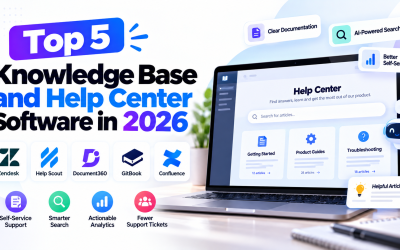
Zendesk

Zendesk remains the enterprise standard for customer support, with genuinely deep customization, extensive integrations, and reporting capable of handling large, complex support operations across multiple channels simultaneously. Its comprehensive feature set comes with a learning curve and pricing that can feel like overkill for smaller teams.
Freshdesk
Freshdesk offers a genuinely strong feature set at a more approachable price point than Zendesk, with automation rules and a generous free tier that make it a popular starting point for growing support teams not ready for enterprise pricing.
Help Scout

Help Scout keeps its interface deliberately simple and email-like, appealing to teams that want a helpdesk that doesn’t feel like a complex enterprise tool while still offering shared inboxes, saved replies, and basic automation.
Intercom

Intercom blends live chat, help center content, and ticketing into a single platform built around proactive, in-app customer engagement rather than purely reactive support, making it a strong fit for SaaS companies wanting to combine support with onboarding messaging.
Front
Front focuses specifically on making shared email and messaging feel more organized without forcing a full ticket-based workflow onto teams that prefer a more natural, conversational support style closer to a well-managed inbox.
Matching Helpdesk Complexity to Team Size
A two-person support team fielding a few dozen tickets a week has fundamentally different needs than a department managing thousands of monthly requests across email, chat, and social channels simultaneously, and picking an overly complex tool too early tends to slow a small team down rather than help them. Help Scout and Front genuinely shine for smaller teams that want organization without a steep learning curve, while Zendesk and Intercom’s deeper automation and reporting become worth the added complexity once ticket volume and team size grow past what a simpler tool can comfortably handle. It’s worth trialing with your actual support team rather than just an admin evaluating features alone, since day-to-day usability for the people actually answering tickets matters more than any feature checklist. A tool that looks impressive in a sales demo can still slow agents down in practice if the actual ticket workflow doesn’t match how your team naturally operates.
The right helpdesk tool ultimately pays for itself through faster response times and fewer dropped requests, both of which directly affect customer retention in ways that are easy to underestimate until a support backlog starts costing real business. Start with Freshdesk or Help Scout if you’re a smaller team just formalizing your support process, and graduate to Zendesk or Intercom once your volume and complexity genuinely justify the additional investment. Whatever you pick, involve the actual agents who’ll use it daily in the evaluation, their friction points matter more than any feature list a decision-maker alone might prioritize.