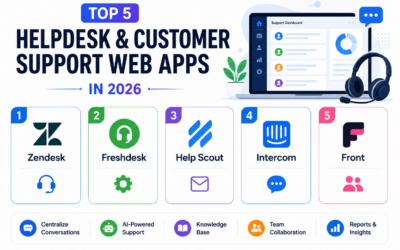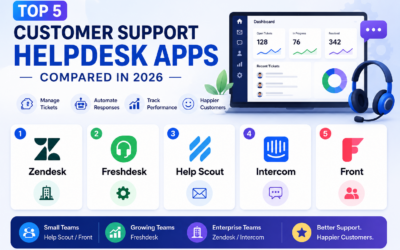
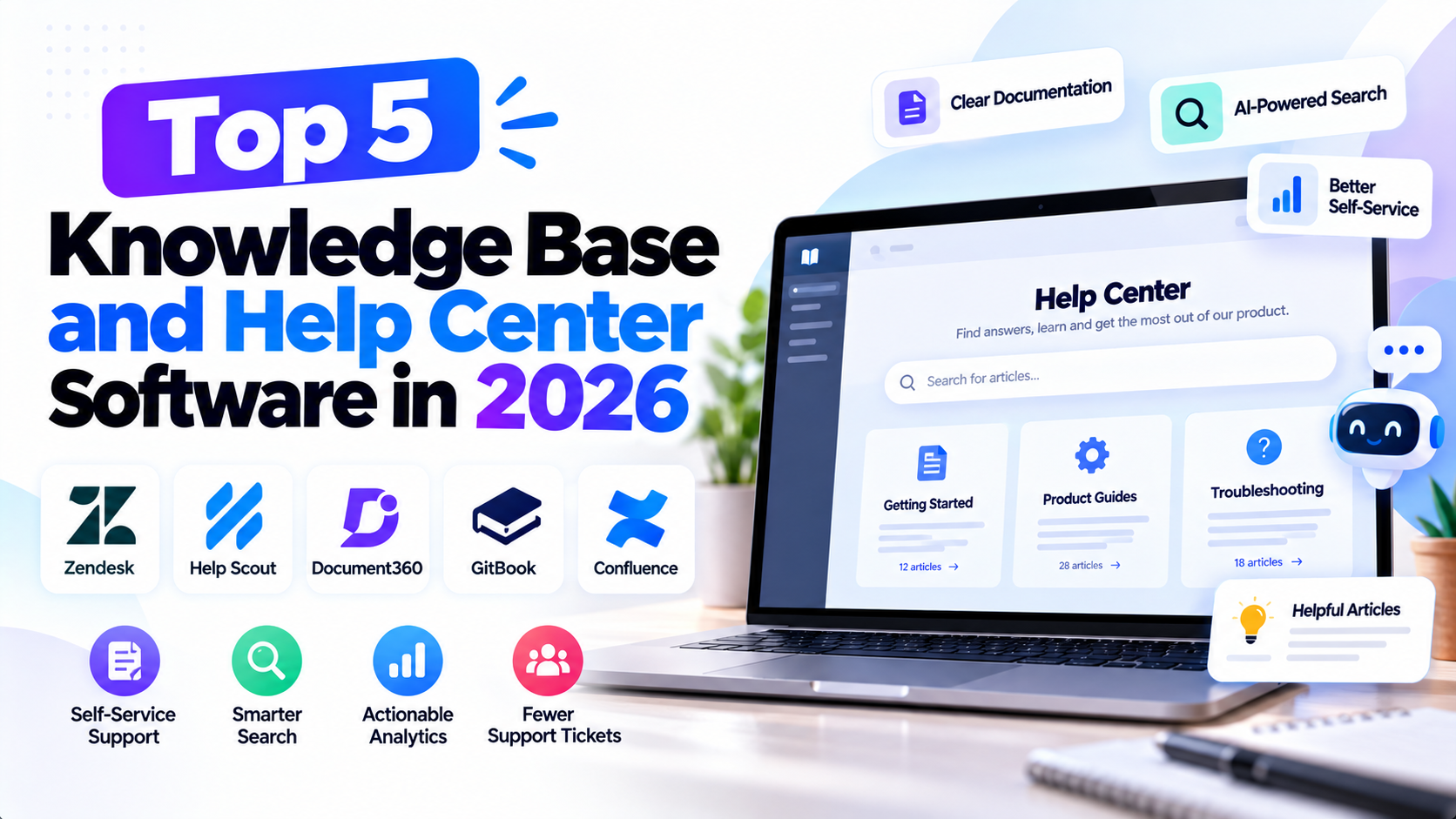
The same handful of questions tend to reach a customer support team over and over, and a genuinely well-built knowledge base solves this by letting customers find clear, searchable answers themselves before ever needing to open a support ticket at all. Modern knowledge base software has matured well beyond a simple static FAQ page, adding AI-powered search, analytics on which articles actually get read, and genuine version control for documentation that changes as a product evolves. Here are five platforms worth knowing in 2026.
Zendesk Guide
Zendesk Guide remains a natural default specifically for companies already using Zendesk’s broader support suite, since knowledge base articles integrate directly into the same ticketing system agents already use, letting a support agent suggest a relevant article directly within an active customer conversation. Its AI-powered content suggestions help identify gaps where customers are searching but finding no matching article, giving support teams genuinely actionable data on what documentation still needs to be written. For companies already invested in Zendesk’s ticketing ecosystem, it remains the most naturally integrated choice.
Help Scout
Help Scout pairs a genuinely clean, approachable knowledge base with its broader shared-inbox support platform, appealing specifically to smaller support teams that want documentation and ticket handling unified without the complexity of a larger enterprise suite. Its Beacon widget embeds contextual help articles directly within a product’s own interface, surfacing relevant documentation to a user exactly where they’re likely stuck rather than requiring them to navigate to a separate help site. For small to mid-sized teams wanting simplicity without sacrificing genuine self-service effectiveness, it remains one of the more approachable options.
Document360
Document360 specializes specifically in more technical, developer-facing documentation, offering genuine version control, a markdown editor, and API documentation support that goes considerably beyond what a customer-facing FAQ tool typically needs. Its category-based content organization and robust search analytics give documentation teams a genuinely clear picture of which articles are actually helping users versus which ones need revision. For companies with genuinely technical products needing developer documentation alongside customer-facing help content, it remains one of the stronger specialized options available.
GitBook
GitBook has built a strong reputation specifically among technical and developer-focused teams, offering a genuinely clean, modern writing experience with native Git-based version control that lets documentation changes go through the same review process as code changes. Its clean, minimalist reading experience appeals specifically to developer audiences who want fast, uncluttered access to technical documentation without marketing content or visual clutter competing for attention. For companies building developer-facing products specifically, it remains one of the most beloved documentation platforms in that particular niche.
Confluence rounds out a strong fifth option specifically for organizations that already use it internally for team documentation and want to extend a similar structure to customer-facing help content, though it requires more configuration to present cleanly to external customers than a purpose-built help center tool. Choosing between these platforms mostly comes down to existing tooling and audience: companies already on Zendesk should default to Guide, small teams wanting simplicity should consider Help Scout, technical and developer-facing products should evaluate Document360 or GitBook depending on how central Git-based workflows already are to the team.
Conclusion
A genuinely effective knowledge base remains one of the highest-leverage investments a support team can make, since every well-written article that successfully answers a question is one fewer ticket an agent needs to personally handle. Whichever of these five ends up fitting a company’s existing tooling and audience, the underlying payoff remains consistent: customers finding real answers themselves, faster than waiting for a support reply.