A new hire’s first week genuinely shapes their long-term impression of a company far more than most growing businesses realize, and a disorganized onboarding process, missing equipment, unclear paperwork, no clear first-week plan, creates avoidable friction right when a company most wants to make a strong impression. Employee onboarding web apps solve this by systematizing the entire process, automatically triggering paperwork, equipment requests, and training assignments the moment a new hire’s start date is confirmed, rather than relying on a manager remembering every step manually. Here are five employee onboarding web apps worth using this year for a growing team wanting genuinely smoother new hire starts. Most also collect structured feedback from the new hire after the first week, surfacing genuine gaps in the process before they repeat with the next hire.
BambooHR
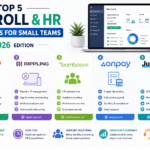
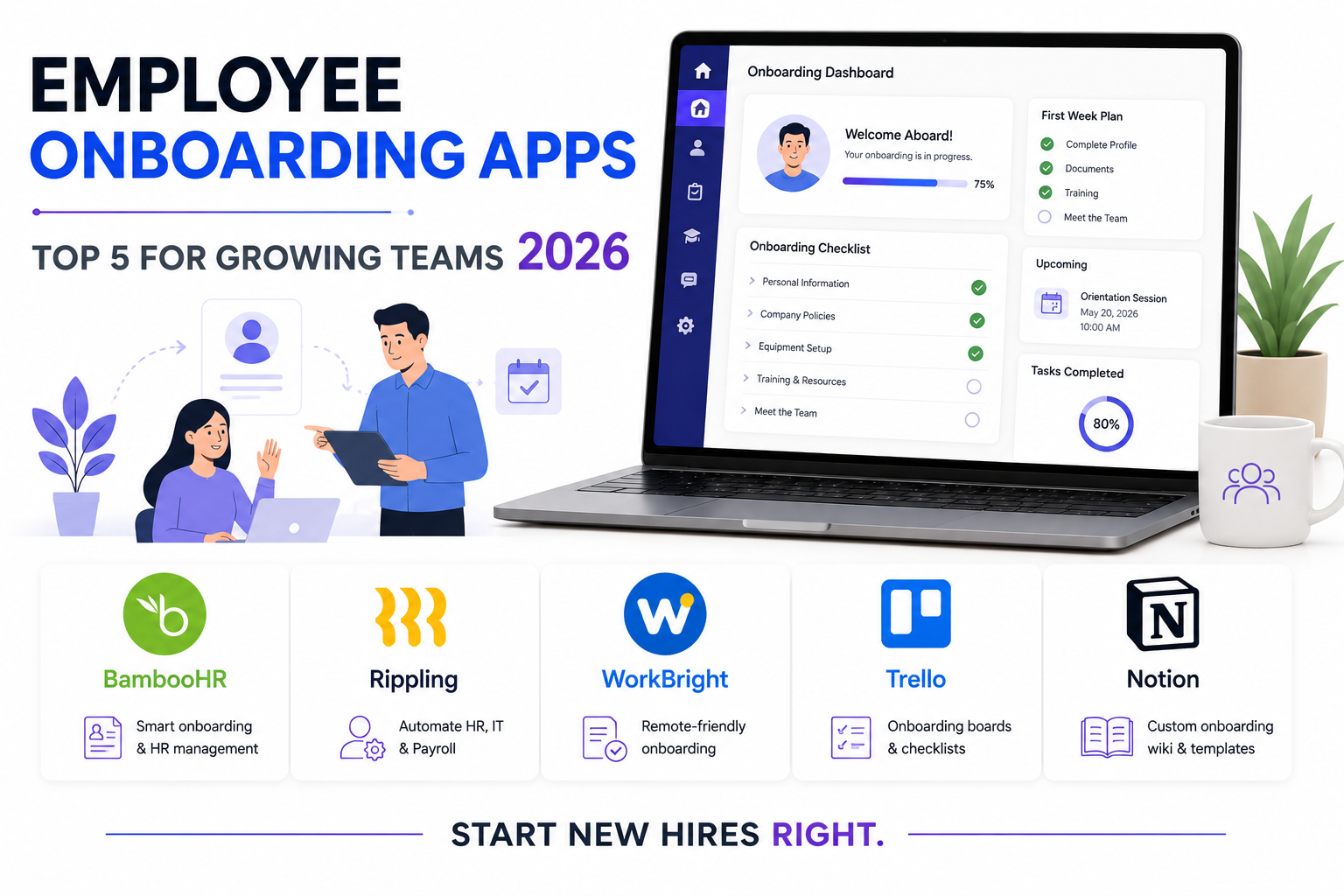
BambooHR combines onboarding checklists with broader HR record-keeping, letting a growing team manage new hire paperwork and ongoing employee data in one connected system rather than separate disconnected tools.
🔗 Download on Play Store | www.bamboohr.com
Rippling
Rippling automates onboarding across HR, IT, and payroll simultaneously, letting a single onboarding flow set up a new hire’s paycheck, laptop software, and building access all at once rather than as separate manual steps.
WorkBright
WorkBright focuses specifically on remote-friendly onboarding paperwork, including remote I-9 verification, appealing to companies hiring distributed teams who can’t complete traditional in-person paperwork verification.
Trello or a Similar Onboarding Board
A well-structured Trello or similar board template can handle onboarding checklists for smaller teams not yet ready to invest in a dedicated HR platform, tracking each new hire’s progress through a visual checklist.
Notion Onboarding Templates
Notion-based onboarding templates let growing teams build a genuinely customized onboarding wiki combining company information, checklists, and resources in one flexible, easily updated space.
Team size and existing HR infrastructure should guide the choice more than feature lists alone. Growing teams already using BambooHR or a similar platform for HR records get the most natural extension by keeping onboarding in the same connected system rather than adding a separate tool. Companies hiring across multiple states or countries specifically benefit from Rippling’s combined HR, IT, and payroll automation, since manually coordinating those three systems separately for a distributed new hire creates real room for something to fall through the cracks. Remote-first companies specifically need WorkBright’s remote verification capability, which more traditional onboarding tools built around in-person processes don’t handle as smoothly. Smaller teams not yet ready for a dedicated platform can genuinely get by with a well-organized Trello board or Notion template until the hiring volume justifies a more structured system. It’s worth revisiting the chosen onboarding process every few new hires too, since a checklist that made sense for the first employee often needs real updating as the company itself changes.
A genuinely smooth onboarding process signals real organizational competence to a new hire right when that first impression matters most, while a chaotic first week can quietly plant early doubt that’s hard to fully undo later. Match the platform to your team’s size and hiring complexity, and a well-structured onboarding system pays for itself in reduced early turnover and a new hire who feels genuinely set up to succeed from day one. That early investment tends to matter more the faster a team is actually growing, since the cost of getting onboarding wrong compounds noticeably with every additional hire that follows the same broken process.